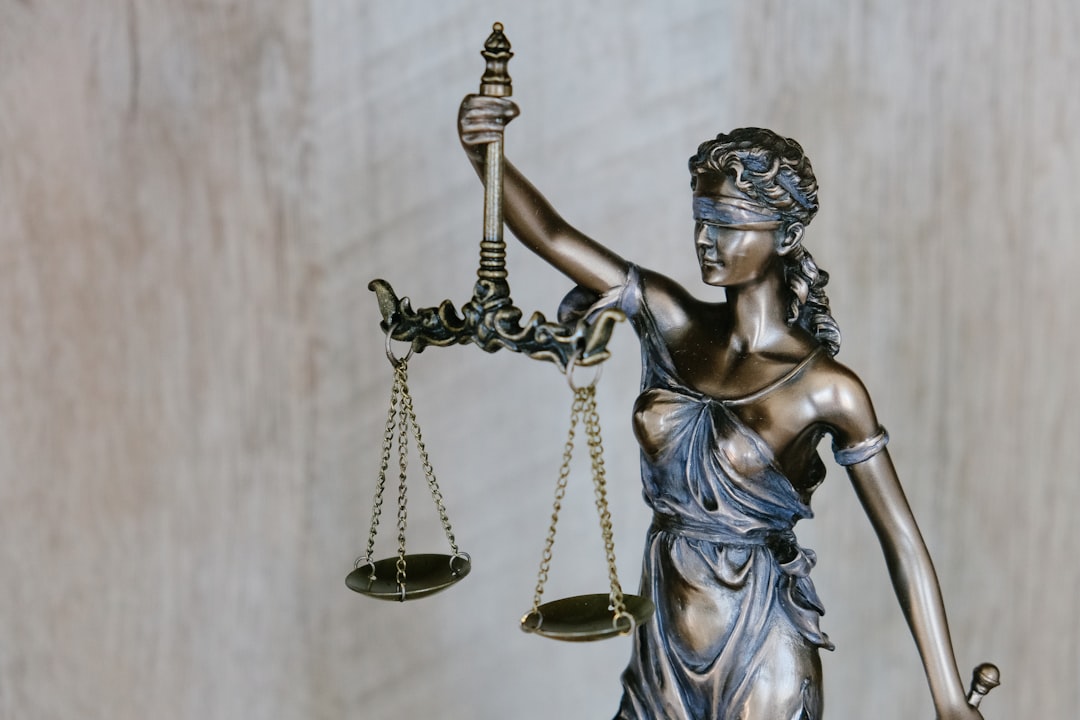
South Dakota's debt collection laws protect consumers through strict regulations for debt collectors, including validation requirements, anti-harassment measures, and a three-year statute of limitations. Debtors can verify and dispute debts, while debt collector lawyers ensure fair practices. Both state law and the FDCPA govern collectors, providing key protections like mandatory validation and time limits, with legal counsel advised for violations.
South Dakota’s debt collection statutes play a pivotal role in safeguarding consumer rights within the state. As the landscape of debt collection continues to evolve, individuals must be armed with knowledge to protect their interests. This comprehensive guide aims to demystify the legal framework surrounding debt collectors in South Dakota.
Understanding these regulations is crucial for both debtors and debt collector lawyers operating within this jurisdiction. By exploring the rights and responsibilities outlined in these statutes, consumers can navigate potential pitfalls and ensure fair treatment during debt collection processes. Our expert analysis promises to provide valuable insights, empowering South Dakotans to make informed decisions regarding their financial obligations.
South Dakota Debt Collection Laws: An Overview

South Dakota’s debt collection laws are designed to protect both debtors and creditors, establishing clear guidelines for fair and ethical debt collection practices within the state. These statutes are essential in ensuring that debt collectors adhere to legal protocols when pursuing payment from consumers. According to South Dakota law, debt collectors must comply with specific regulations, including strict rules regarding communication, disclosure, and the overall treatment of debtors.
A key aspect is the regulation of debt collection methods, which restricts aggressive or harassing tactics. Debt collector lawyers in South Dakota emphasize that collectors cannot make false or misleading statements, use abusive language, or threaten legal action without legitimate intent. The law also mandates that collectors provide accurate information about the debt and its origin when communicating with debtors. Debtors have the right to verify the validity of the debt and request validation from the collector. This process empowers consumers to ensure they are responsible for the debt before taking any further actions.
Additionally, South Dakota has a statute of limitations for debt collection, which sets a time frame within which legal action can be taken after the original due date. This period varies depending on the type of debt and provides debtors with a sense of security and protection against outdated claims. Debt collector lawyers play a vital role in advising both parties on these legal frameworks to ensure compliance and fair practices throughout the debt collection process.
Consumer Rights and Protections in SD

In South Dakota, consumers enjoy a robust framework of rights and protections when dealing with debt collectors. The state’s laws are designed to balance the interests of both debtors and creditors, ensuring fair practices in debt collection. According to South Dakota law, debt collectors must adhere to strict guidelines, including the requirement to provide validation of the debt and refrain from using abusive, oppressive, or humiliating collection methods. This consumer-friendly approach is exemplified by the Fair Debt Collection Practices Act (FDCPA), which prohibits debt collectors from contacting consumers at unreasonable times or places, using false or misleading statements, or employing harassing tactics.
A key protection for South Dakota residents is the three-year statute of limitations for debt collection suits. This means that a creditor has only three years from the date the cause of action accrued to file a lawsuit against a debtor. After this period, the debt collector’s legal options are significantly limited, offering consumers a powerful recourse against aggressive or unlawful collection efforts. Furthermore, debtors in South Dakota have the right to request verification of the debt and, if necessary, dispute it with the collector. This process ensures that consumers are not burdened by inaccurate or fraudulent debts.
Practical advice for consumers facing debt collection in South Dakota involves documenting all communications with collectors, including dates, times, and content. Keeping a detailed log can be invaluable if a dispute arises or legal action is required. Additionally, consumers should never provide payment without first confirming the debt’s validity and understanding of any agreements made. Consulting with a qualified debt collector lawyer in South Dakota can also prove beneficial, as these experts can guide consumers through their rights and options, ensuring they are treated fairly throughout the debt collection process.
Navigating Debt Collector Practices: What You Need to Know

Navigating Debt Collector Practices: What You Need to Know in South Dakota
In South Dakota, debt collectors are subject to state laws designed to protect consumers from unfair or abusive practices. Understanding your rights under these statutes is crucial for any individual facing debt collection efforts. The Fair Debt Collection Practices Act (FDCPA) serves as a federal framework, but South Dakota has its own set of regulations that complement and sometimes diverge from the federal guidelines. For instance, while the FDCPA prohibits harassment or false representation, South Dakota’s statutes add layers of protection by mandating specific disclosure requirements and setting strict time limits for debt collection activities.
When dealing with a debt collector in South Dakota, it’s essential to recognize their legal obligations. Debt collector lawyers in the state emphasize that collectors must provide validation of the debt, including the original amount owed, the name of the creditor, and the date the debt was incurred. This process, known as debt verification, ensures transparency and safeguards consumers from potential errors or fraud. Furthermore, debt collectors are restricted from contacting you at unreasonable times, using abusive language, or threatening legal action without intending to follow through.
If you believe your rights have been violated, seeking counsel from a debt collector lawyer in South Dakota is advisable. Legal experts can guide you through the intricate web of regulations and help you exercise your options, such as disputing the debt or requesting validation. Data from recent studies indicates that many consumers are unaware of their protections, leaving them vulnerable to unfair practices. Proactive knowledge and legal support can empower individuals to assert their rights, ensuring a more equitable and transparent debt collection process in South Dakota.